
Why Do We See Faces in Objects? From Grumpy Sockets to a Bear on Mars
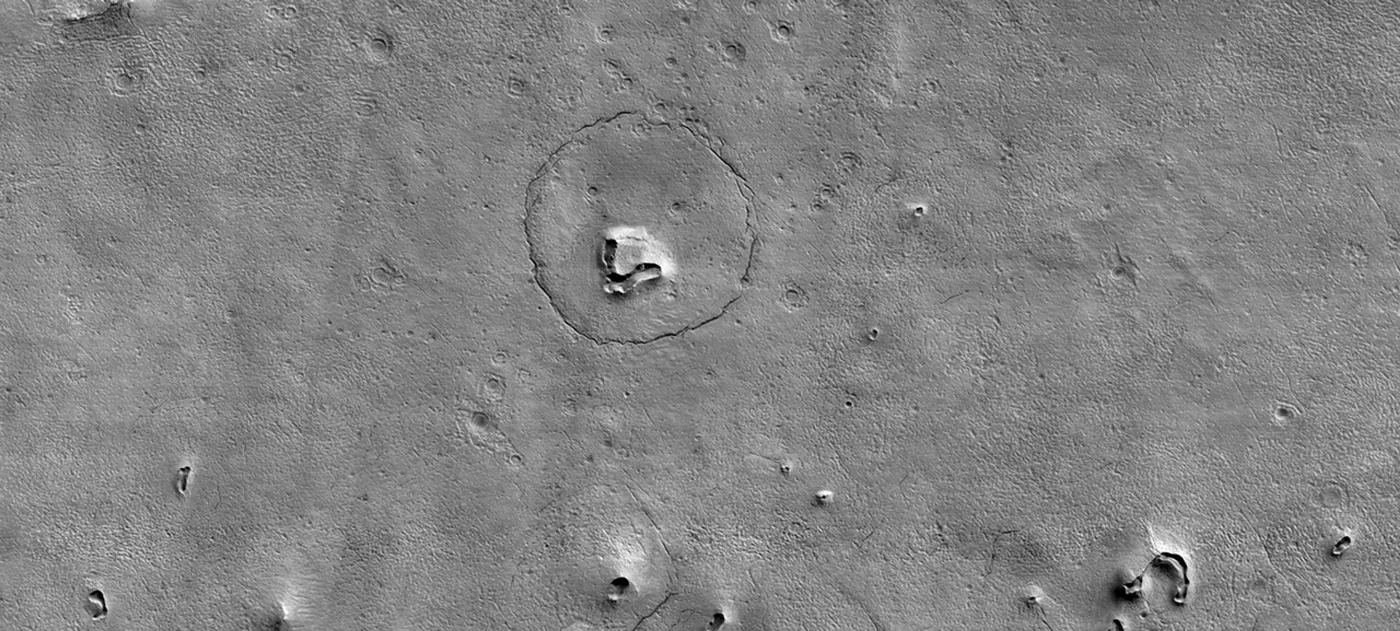
Bear-like terrain on Mars photographed by HiRISE on 12 December 2022. Real terrain imagery, not an animal. NASA/JPL-Caltech/University of Arizona, NASA educational/informational media-use guidelines.
Your coffee looks surprised. The wall socket looks disappointed. A rock on Mars appears to have borrowed a bear’s face. You have not necessarily discovered three secret characters; you may be noticing a familiar visual effect.
Face pareidolia is seeing a face-like pattern in something that is not a face. It gives everyday objects personality, and occasionally gives the internet a rather ambitious headline. The fun is real. The interpretation still needs checking.
Why the name matters
NASA’s Earth Observatory describes face pareidolia as a tendency to see faces in everyday objects and even scientific data. It relates the effect to our strong ability to recognise faces. That is not a claim that every resemblance has one simple cause or that a particular image reveals someone’s personality.
The useful distinction is between a pattern and its explanation. “These two holes look like eyes” describes an impression. “Someone built eyes into this rock” makes a claim about how it formed. The second needs evidence beyond the first.
The bear on Mars is a real image, not a real bear
The cover shows a Mars Reconnaissance Orbiter HiRISE image acquired on 12 December 2022. NASA explains the resemblance using two craters, a V-shaped collapse feature and a circular fracture pattern. It is a geological scene that happens to suggest a face.
Look once for the bear, then look again for terrain. You do not have to erase the amusing first impression to understand the second. Calling it a “bear lookalike” preserves both the joke and the distinction.
An older Martian face has a similar lesson
The famous “Face on Mars” came from Viking imagery in 1976. NASA’s account explains that lighting and viewing angle help create the appearance of a face on a natural hill. A compelling first image is not the final explanation.
When a post shows just one crop, ask what is outside it. A caption may be accurate about the resemblance while being misleading about its cause. “This looks like…” is a much smaller claim than “Scientists discovered…”.
Try a small face-hunting game at home
- Look for three harmless objects with a face-like arrangement: a bag clasp, a cupboard handle or a pattern in a cushion.
- Photograph the whole object before taking a close-up.
- Ask someone what they notice without naming your interpretation first.
- Compare the full view with the crop.
- Write two captions: a playful one and a literal one.
For example, “The cupboard disapproves” might be the playful caption; “Two knobs above a curved mark” is the literal description. This is a suggested observation game, not a psychology test. Avoid photographing strangers or entering unsafe places for a better angle.
Why a crop can change the story
A close-up removes the ordinary context that explains an object. Before sharing an extraordinary image, find the original, read its caption and distinguish the photograph from any added illustration. For a broader checklist, see checking information before sharing it.
Try preserving the context in your own caption: “This tree knot looks startled from this angle.” It is still enjoyable, and nobody has to pretend the tree is having a difficult Monday.
Quick questions
Must everyone see the same face? No. The game works perfectly well when your friend sees a potato instead.
Does a face-like rock prove intelligent construction? Not by resemblance alone. Its origin needs separate evidence.
Is this article a diagnosis? No. It explains an ordinary visual phenomenon and offers a light observation activity, not an assessment of anyone’s health.
Keep the delight, lose the unsupported claim
The best version of these discoveries is often the honest one: an ordinary object, a surprising resemblance and a caption that knows the difference. The socket can look offended without requiring an investigation into its childhood.
Image and usage credit
Bear-like terrain on Mars photographed by HiRISE on 12 December 2022. Real terrain imagery, not an animal. NASA/JPL-Caltech/University of Arizona · NASA educational/informational media-use guidelines Resized and converted to WebP; use does not imply the creator’s endorsement.



What do you think?
Share your thoughts or experience. Keep the conversation kind and on topic.
Participation Rules
نريدك أن تكون مصدرًا لزملائك من القراء ونأمل أن تستخدم قسم التعليقات لإجراء ذلك. لقد صممناها لرفع وتوسيع الاستجابات الأكثر ذكاءً وإدانةً ، وتقليل أو إخفاء الأسوأ. هذه هي قواعد الطريق:
ابقى في صلب الموضوع
عند تقديم تعليق ، لا تخرج عن الموضوع. لا تعلق على المعلقين الآخرين أو معتقداتهم السياسية المفترضة. ناقش مزايا القصة نفسها. لا تنشر تومي. هذا ليس المكان المناسب لصق فصل من رسالتك (أو أي شخص آخر) أو ورقة بيضاء.
أظهر الإحترام.
نحن نشجع ونقدر النقاش العميق. ما عليك سوى التأكد من أنه عندما لا تتفق مع فرضية القصة أو أي معلق آخر ، فإنك تفعل ذلك بطريقة محترمة ومهذبة.
كن مهذبا وحافظ على نظافته
نحن نغطي التكنولوجيات الجديدة موقعنا ليس منفذاً للفظاظة. نحن لا نتسامح مع الإهانات الشخصية ، بما في ذلك استدعاء الأسماء أو العنصرية أو التمييز الجنسي أو الكلام الذي يحض على الكراهية أو الفحش. هذا يعني أنه لا توجد أي ملاحظات بذيئة أو مسيئة أو مضايقة أو تنمر. إذا لم تكن مدنيًا ومهذبًا ، فلا تنشره.
تجاهل المتصيدون
أفضل رد على القزم - شخص ما يتكرر عدائيًا واستفزازًا - ليس ردًا. من فضلك لا تشجع السلوك السيئ عن طريق الاستجابة ؛ انها لا تخدم سوى لسرور المتصيدون والبيض عليها. إذا كان هناك شخص ما يسيء استخدام موضوع مناقشة ، فأبلغ عن أي تعليقات مسيئة ، وسنتناول الموقف.
كن مسؤولاً وأصيلاً
انشر آرائك فقط بكلماتك الخاصة. أنت مسؤول عن المحتوى الذي تنشره.
لا تنشر رسائل غير مرغوب فيها أو إعلانات
إذا لم يكن لديك عقد إعلان معنا ، فإن هذا الموقع الإلكتروني ليس عبارة عن لوحة إعلانات لنشاطك التجاري. لا تنشر محتوى غير مرغوب فيه أو محتوى ترويجي ذاتي أو حملات إعلانية. لا ضغط أو تجنيد أو استجداء.
نقرأ التعليقات
على الرغم من أن مجالس مناقشاتنا لا تخضع للإشراف الرسمي ، إلا أننا نولي اهتمامًا وثيقًا بها. نحتفظ بالحق في تعديل أو حذف التعليقات التي لا تلبي معاييرنا.
نحن نحظر الأعضاء الفاضحين
إنه ليس شيئًا نتمتع به. ولكن عند الضرورة ، سنحظر الأعضاء الذين لا يلتزمون بهذه الإرشادات.
شكرا على اتباع هذه المبادئ التوجيهية.