
Learn Chess for Beginners: A Flexible 14-Day Plan with Hands-On Exercises
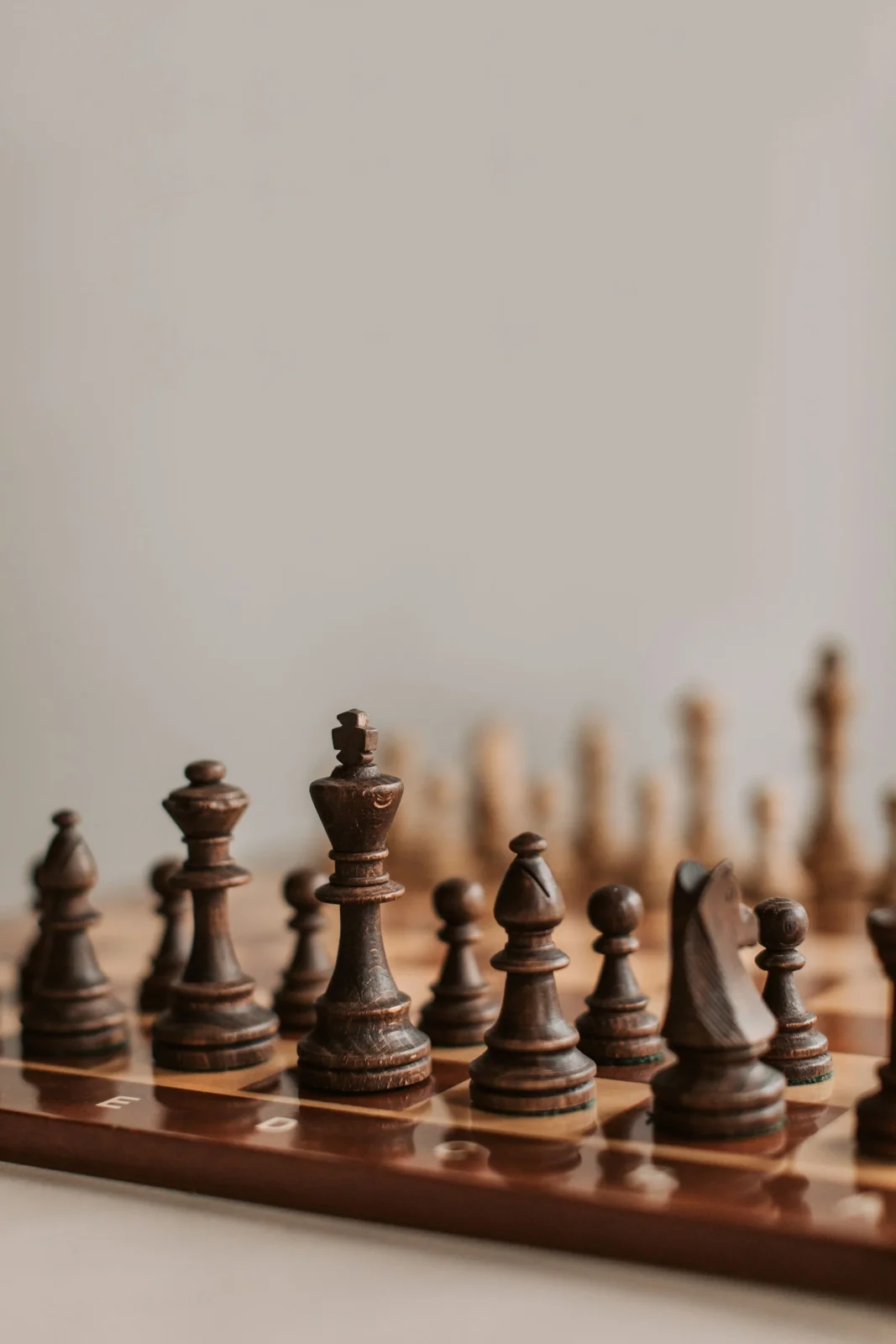
Wooden chess pieces on a board; illustrative photograph, not the exercise position in this article. Vlada Karpovich / Pexels, Pexels License.
- Set up your learning space before opening ten tutorials
- Learn rules in small groups, not as one long lecture
- Days 1–4: make the board familiar
- Days 5–9: build a routine before every move
- Try this: checkmate or stalemate?
- Days 10–14: play fewer games and understand them
- What should you study after the first fortnight?
- Image and usage credit
You do not need to memorize a famous opening to start playing chess. You need to recognize legal moves, notice what your opponent threatens and finish a game without wondering where your pieces disappeared. Those are much more satisfying first goals than an ambitious rating target.
This beginner chess guide uses a flexible 14-day plan: learn the essentials, practise short exercises and review a few slower games. Allow roughly 15–20 minutes for a session if that suits your schedule. The timetable is an editorial suggestion, not a tested promise of mastery; repeat any stage you need.
Set up your learning space before opening ten tutorials
Choose one board, physical or digital, and one place to record mistakes. A notebook with three columns is enough: “what I missed,” “what I should check” and “the next exercise.” Avoid collecting five courses before completing your first lesson.
The Lichess learning section provides a starting point for chess basics; its navigation also includes practice and coordinate exercises. You can use a physical board alongside it if dragging pieces on a screen does not help you visualize their movement. Pick a format you actually enjoy returning to.
Learn rules in small groups, not as one long lecture
Use the FIDE Laws of Chess to check rules: White moves first, the light corner square belongs at your right, and your king must not be left in check. Checkmate ends the game; a player with no legal move who is not in check is stalemated, which is a draw.
Now make learning concrete. Place only rooks on an otherwise empty board and trace their paths. Add bishops, then a knight. Practise pawns separately because moving and capturing are different for them. After that, learn castling, promotion and en passant using legal examples rather than a half-remembered video.
Ask a friend to set an exercise, or use an interactive lesson that rejects illegal moves. If a rule still feels uncertain, check it before adding another. There is no prize for rushing through the basics.
Days 1–4: make the board familiar
- Day 1 — coordinates: point to squares such as a1, d4 and h8. Find them from both sides of the board.
- Day 2 — piece paths: move one piece at a time. Explain why it can reach a square before moving it.
- Day 3 — captures and blocked paths: add a few pieces and distinguish an available square from an occupied or obstructed one.
- Day 4 — king safety: practise responding to check. Finish by explaining check, checkmate and stalemate in your own words.
The checkpoint is simple: can you tell whether a move is legal without guessing? If not, repeat a short exercise. Do not hide a confusing rule under opening theory.
Days 5–9: build a routine before every move
For these sessions, use three questions: Am I in check? What changed after the opponent’s last move? Is my intended piece safe on its new square? They are prompts for observation, not a guarantee against mistakes.
- Days 5–6: look for pieces that can be captured and ask whether they are defended. Include exercises where an apparent free piece is a trap.
- Day 7: practise forks: one piece creates more than one threat. Describe both targets before choosing a move.
- Day 8: practise pins and ask which piece cannot move without exposing something behind it.
- Day 9: play a short practice game and pause after each opposing move to identify its threat.
During a real game, you cannot pause your opponent’s clock or seek outside help. Keep guided pauses to agreed practice sessions. Use analysis tools after the game, not to choose moves while playing someone.
Try this: checkmate or stalemate?
Set up this original exercise with White king on f6, White queen on g6 and Black king on h8. There are no other pieces, and Black is to move. Is Black checkmated?
Answer: no. Black is not in check, but has no legal move: it is stalemate. Now reset the position with the White queen on g7 instead. Black is in check with no legal escape: that position is checkmate. Checking whether the king is actually attacked comes before counting escape squares.
Use a board with coordinates and test the two positions yourself. This is a teaching position, not a claim that the whole game leading to it was played here.
Days 10–14: play fewer games and understand them
Choose a slower format, such as 15 minutes plus a 10-second increment, if available and comfortable. It is a suggested learning format, not the only correct time control. The aim is to leave room for thought rather than win a race against the interface.
- Day 10: play one game; identify the first piece you lost without intending to.
- Day 11: rebuild that position and find the threat you missed.
- Day 12: play again, using your three-question check.
- Day 13: revisit one rule and one tactical pattern that still confuse you.
- Day 14: explain one improved decision and one recurring mistake. Pick the next week’s practice from those observations.
What should you study after the first fortnight?
Let your mistakes choose. Losing pieces? Work on threats and defended squares. Confused at the end? Practise simple mating patterns and basic king-and-pawn positions. Reaching a playable position but panicking? Give yourself more thinking time before memorizing a long opening line.
Measure progress with useful questions: can you explain your last move, recognize a threat and review a loss without giving up? Those are better early signs than promising yourself a particular rating by Friday. If you are also introducing a child to the game, our separate guide covers chess for children and what its benefits can reasonably mean.
Your first goal is not to look like a grandmaster. It is to leave the board knowing a little more than when you sat down—and wanting another game.
Image and usage credit
Wooden chess pieces on a board; illustrative photograph, not the exercise position in this article. Vlada Karpovich / Pexels · Pexels License Resized and converted to WebP; use does not imply the creator’s endorsement.



What do you think?
Share your thoughts or experience. Keep the conversation kind and on topic.
Participation Rules
نريدك أن تكون مصدرًا لزملائك من القراء ونأمل أن تستخدم قسم التعليقات لإجراء ذلك. لقد صممناها لرفع وتوسيع الاستجابات الأكثر ذكاءً وإدانةً ، وتقليل أو إخفاء الأسوأ. هذه هي قواعد الطريق:
ابقى في صلب الموضوع
عند تقديم تعليق ، لا تخرج عن الموضوع. لا تعلق على المعلقين الآخرين أو معتقداتهم السياسية المفترضة. ناقش مزايا القصة نفسها. لا تنشر تومي. هذا ليس المكان المناسب لصق فصل من رسالتك (أو أي شخص آخر) أو ورقة بيضاء.
أظهر الإحترام.
نحن نشجع ونقدر النقاش العميق. ما عليك سوى التأكد من أنه عندما لا تتفق مع فرضية القصة أو أي معلق آخر ، فإنك تفعل ذلك بطريقة محترمة ومهذبة.
كن مهذبا وحافظ على نظافته
نحن نغطي التكنولوجيات الجديدة موقعنا ليس منفذاً للفظاظة. نحن لا نتسامح مع الإهانات الشخصية ، بما في ذلك استدعاء الأسماء أو العنصرية أو التمييز الجنسي أو الكلام الذي يحض على الكراهية أو الفحش. هذا يعني أنه لا توجد أي ملاحظات بذيئة أو مسيئة أو مضايقة أو تنمر. إذا لم تكن مدنيًا ومهذبًا ، فلا تنشره.
تجاهل المتصيدون
أفضل رد على القزم - شخص ما يتكرر عدائيًا واستفزازًا - ليس ردًا. من فضلك لا تشجع السلوك السيئ عن طريق الاستجابة ؛ انها لا تخدم سوى لسرور المتصيدون والبيض عليها. إذا كان هناك شخص ما يسيء استخدام موضوع مناقشة ، فأبلغ عن أي تعليقات مسيئة ، وسنتناول الموقف.
كن مسؤولاً وأصيلاً
انشر آرائك فقط بكلماتك الخاصة. أنت مسؤول عن المحتوى الذي تنشره.
لا تنشر رسائل غير مرغوب فيها أو إعلانات
إذا لم يكن لديك عقد إعلان معنا ، فإن هذا الموقع الإلكتروني ليس عبارة عن لوحة إعلانات لنشاطك التجاري. لا تنشر محتوى غير مرغوب فيه أو محتوى ترويجي ذاتي أو حملات إعلانية. لا ضغط أو تجنيد أو استجداء.
نقرأ التعليقات
على الرغم من أن مجالس مناقشاتنا لا تخضع للإشراف الرسمي ، إلا أننا نولي اهتمامًا وثيقًا بها. نحتفظ بالحق في تعديل أو حذف التعليقات التي لا تلبي معاييرنا.
نحن نحظر الأعضاء الفاضحين
إنه ليس شيئًا نتمتع به. ولكن عند الضرورة ، سنحظر الأعضاء الذين لا يلتزمون بهذه الإرشادات.
شكرا على اتباع هذه المبادئ التوجيهية.