
How to Reconnect With an Old Friend—Without the Perfect Message

Two men seated in a warmly lit café. Illustrative photograph: Murat IŞIK / Pexels; not research participants or a personal story we are reporting.
- A small hello may be more welcome than you expect
- First, ask whether this is a welcome door to knock on
- Open a conversation—not a homework assignment
- Three openings you can make your own
- 1. When someone simply comes to mind
- 2. When there is a genuine shared memory
- 3. When you were the one who left a message unanswered
- If the reply is warm, you do not have to recover every lost year
- No reply? Do not turn uncertainty into a pursuit
- Make the next contact something your lives can actually hold
- One small, honest step is enough to begin
- Sources and photographs
You open an old conversation. The last message is months old—perhaps years. You type “How are you?”, then delete it. Is that too sudden? Should you explain the entire silence first? A few minutes later, you close the phone and add another day to the gap that made you hesitate.
Reconnecting with an old friend does not always need a grand occasion or a perfect message. It needs an honest reason to say hello and respect for the other person's space. Here is a practical way to begin, with adaptable examples—not a formula that guarantees a reply or restores every friendship.
A small hello may be more welcome than you expect
In research published online in July 2022, Peggy Liu and colleagues found that people underestimated recipients' appreciation of unexpected check-ins. Some experiments compared senders' predictions with recipients' ratings after actual notes were sent. See the American Psychological Association's explanation and the original research record; the paper later appeared in a 2023 journal issue.
That is an average experimental pattern, not a promise about your particular friend. A 2025 paper by Kristina Castaneto and Lara Aknin found no consistent textual features predicting whether drafted reconnection notes were sent across two datasets. Notice the outcome: sending, not getting a reply. This does not prove wording is irrelevant or reveal a guaranteed opening line. The authors also call for research in broader cultural and socioeconomic contexts.
The suggestions below are editorial ideas for organizing a message, not scientifically tested scripts or new findings from 2026.
First, ask whether this is a welcome door to knock on
A friendship that faded through ordinary busyness is different from one that ended after harm or an explicit request for no contact. Nostalgia is not permission to cross a boundary. If someone blocked you or asked you to stay away, do not use another account or a mutual friend to carry the message.
Ask yourself something else: do you want to check in, or do you need a favor and plan to wrap it in “I miss you”? Do not open a friendly conversation only to spring a sales pitch, money request, or introduction request on the person. If you have a request, be honest about it. Warmth should not be a little trap.
Open a conversation—not a homework assignment
A useful starting structure has three small parts, without a required word count:
- Identify yourself when necessary. Especially if your number changed or a long time has passed. Do not make the other person begin by guessing who is writing.
- Use a real cue—or simply say hello. A memory, a place you passed, or the wish to check in is enough. Do not invent a nostalgic detail to decorate the opening.
- Leave an easy question or an open invitation. Do not ask for a life summary, a recent photo, an appointment, and an explanation for the silence in one message.
Compare “Where have you been? Forgotten your friends?” with “It's been a while, and I wanted to say hello. How have you been?” One opens with a charge; the other states your wish without deciding how the recipient feels. This is an illustration of tone, not an experimental comparison.
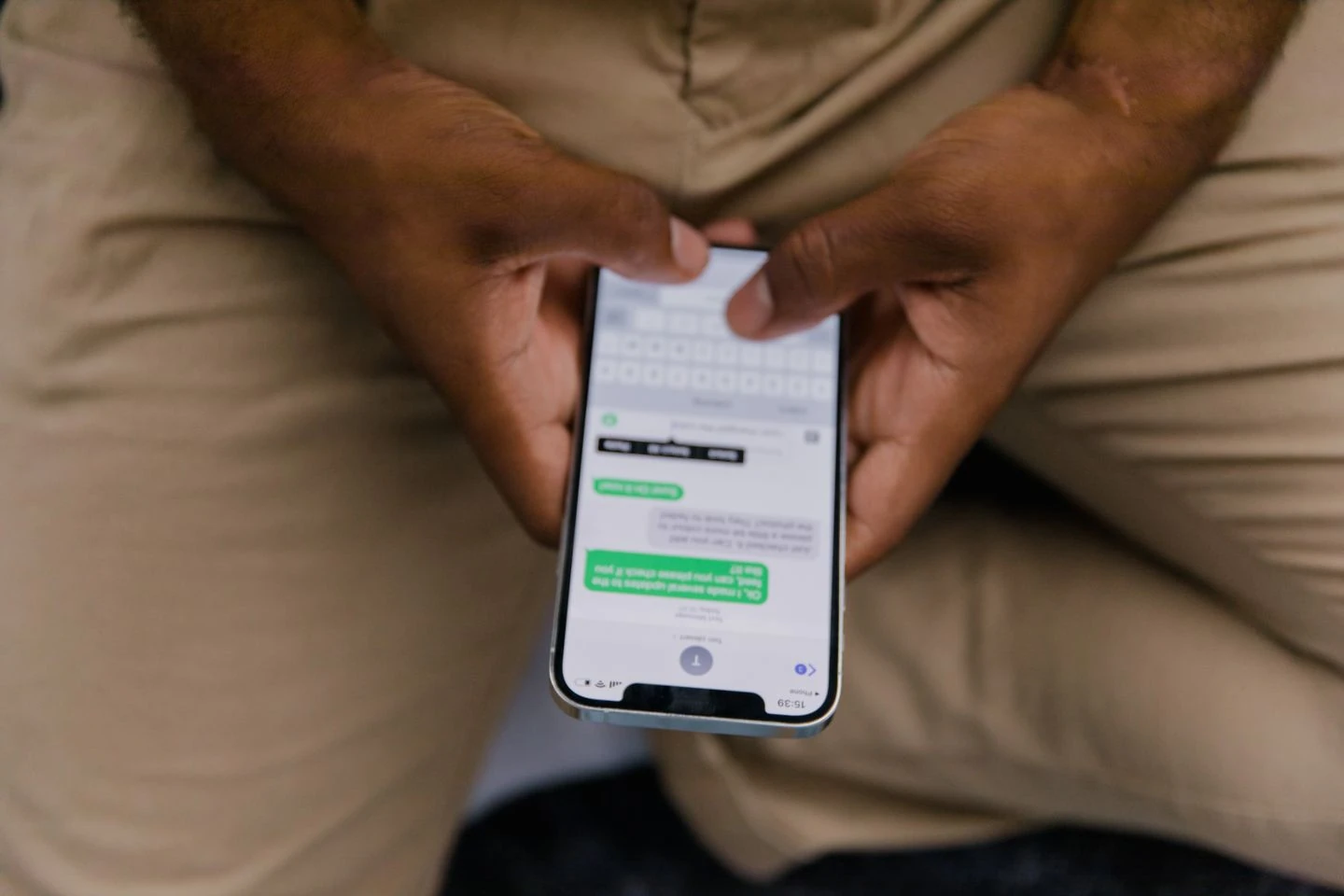
Three openings you can make your own
These examples were written for illustration. They are not real correspondence or quotations from the studies. Replace details with things that actually happened, and do not use them where contact is unwelcome.
1. When someone simply comes to mind
“Hi Samir, it's Ahmed from university. You came to mind today and I wanted to say hello. I hope you're well—how have you been?”
Skip the introduction if your identity is obvious. You do not have to manufacture important news to earn permission to say hello.
2. When there is a genuine shared memory
“I passed the bookshop we used to visit and remembered our conversations there. I wanted to check in. How are things with you?”
Choose a light detail that does not expose a private story or demand shared nostalgia. Do not circulate an old photograph of both of you to a group without permission.
3. When you were the one who left a message unanswered
“I realized I left your message unanswered, and I'm sorry. I don't want to pretend it never happened. If it feels right for you, I'd be glad to hear how you're doing.”
This addresses a missed reply, not a larger injury to the relationship. If the problem was deeper, do not use a cheerful check-in to skip accountability or demand immediate forgiveness.
If the reply is warm, you do not have to recover every lost year
Begin with what the person actually says. If they mention a new job, ask about that experience instead of immediately switching to your own news. Share something about yourself too. A conversation is not a press interview, and neither person should have to carry all of it.
If you both want to meet, offer something specific that is easy to decline: “Would tea on Saturday afternoon suit you? If not, we can leave it for a better time.” That is clearer than an endlessly suspended “We really must catch up.” If you do not want to meet yet, do not make a big promise just to sound enthusiastic.

No reply? Do not turn uncertainty into a pursuit
Silence does not explain itself. There may be circumstances you cannot see, or the person may not want to restart the friendship. A read receipt or last-seen timestamp cannot settle that question.
Leave space instead of sending a chain of “Did you get this?”, followed by a call and a message on another platform. Respect a clear refusal. A successful attempt does not mean extracting an answer; it can mean expressing yourself kindly and accepting the other person's choice.
You do not have to revive every old friendship either. Some remain good memories without becoming active relationships again, and some do not fit your present life. Do not make this article a test of either person's worth.
Make the next contact something your lives can actually hold
If conversation resumes, find a shape that suits you now: a message when something genuinely interests them, an agreed call, or an occasional meeting. Do not promise daily contact if you know that is not a promise you can keep.
A meeting could fit into a less crowded weekend, rather than become a project involving ten people's calendars. And, as in our review of the five love languages and their scientific limits, distinguish an idea that helps you think from a rule claiming to explain every relationship.
One small, honest step is enough to begin
If there is someone appropriate to contact, open the conversation and write an honest line. Read it once for clarity, hidden blame, or a disguised request. Then choose whether to send it or wait—not because an article demands that you prove your courage.
The point is not that every message will restore a friendship. It is that searching for a perfect phrase need not prevent a simple hello worth trying, when the circumstances and boundaries are right.
Sources and photographs
The research is linked to its original sources above. Examples and suggestions are editorial, not therapeutic findings or guarantees of a reply. Cover photograph of two men in a café: Murat IŞIK / Pexels; inline creators are credited beneath their images under the Pexels License. These are real illustrative photographs, not study participants or personal stories we are reporting, and no photographer endorsement is implied.
Image preparation used proportional resizing and WebP conversion only, preserving the full frames without generating elements. Both language versions use the same licensed photographs, with creator and license links above.



What do you think?
Share your thoughts or experience. Keep the conversation kind and on topic.
Participation Rules
نريدك أن تكون مصدرًا لزملائك من القراء ونأمل أن تستخدم قسم التعليقات لإجراء ذلك. لقد صممناها لرفع وتوسيع الاستجابات الأكثر ذكاءً وإدانةً ، وتقليل أو إخفاء الأسوأ. هذه هي قواعد الطريق:
ابقى في صلب الموضوع
عند تقديم تعليق ، لا تخرج عن الموضوع. لا تعلق على المعلقين الآخرين أو معتقداتهم السياسية المفترضة. ناقش مزايا القصة نفسها. لا تنشر تومي. هذا ليس المكان المناسب لصق فصل من رسالتك (أو أي شخص آخر) أو ورقة بيضاء.
أظهر الإحترام.
نحن نشجع ونقدر النقاش العميق. ما عليك سوى التأكد من أنه عندما لا تتفق مع فرضية القصة أو أي معلق آخر ، فإنك تفعل ذلك بطريقة محترمة ومهذبة.
كن مهذبا وحافظ على نظافته
نحن نغطي التكنولوجيات الجديدة موقعنا ليس منفذاً للفظاظة. نحن لا نتسامح مع الإهانات الشخصية ، بما في ذلك استدعاء الأسماء أو العنصرية أو التمييز الجنسي أو الكلام الذي يحض على الكراهية أو الفحش. هذا يعني أنه لا توجد أي ملاحظات بذيئة أو مسيئة أو مضايقة أو تنمر. إذا لم تكن مدنيًا ومهذبًا ، فلا تنشره.
تجاهل المتصيدون
أفضل رد على القزم - شخص ما يتكرر عدائيًا واستفزازًا - ليس ردًا. من فضلك لا تشجع السلوك السيئ عن طريق الاستجابة ؛ انها لا تخدم سوى لسرور المتصيدون والبيض عليها. إذا كان هناك شخص ما يسيء استخدام موضوع مناقشة ، فأبلغ عن أي تعليقات مسيئة ، وسنتناول الموقف.
كن مسؤولاً وأصيلاً
انشر آرائك فقط بكلماتك الخاصة. أنت مسؤول عن المحتوى الذي تنشره.
لا تنشر رسائل غير مرغوب فيها أو إعلانات
إذا لم يكن لديك عقد إعلان معنا ، فإن هذا الموقع الإلكتروني ليس عبارة عن لوحة إعلانات لنشاطك التجاري. لا تنشر محتوى غير مرغوب فيه أو محتوى ترويجي ذاتي أو حملات إعلانية. لا ضغط أو تجنيد أو استجداء.
نقرأ التعليقات
على الرغم من أن مجالس مناقشاتنا لا تخضع للإشراف الرسمي ، إلا أننا نولي اهتمامًا وثيقًا بها. نحتفظ بالحق في تعديل أو حذف التعليقات التي لا تلبي معاييرنا.
نحن نحظر الأعضاء الفاضحين
إنه ليس شيئًا نتمتع به. ولكن عند الضرورة ، سنحظر الأعضاء الذين لا يلتزمون بهذه الإرشادات.
شكرا على اتباع هذه المبادئ التوجيهية.