
Pétanque for Beginners: The Small Throw That Can Change Everything
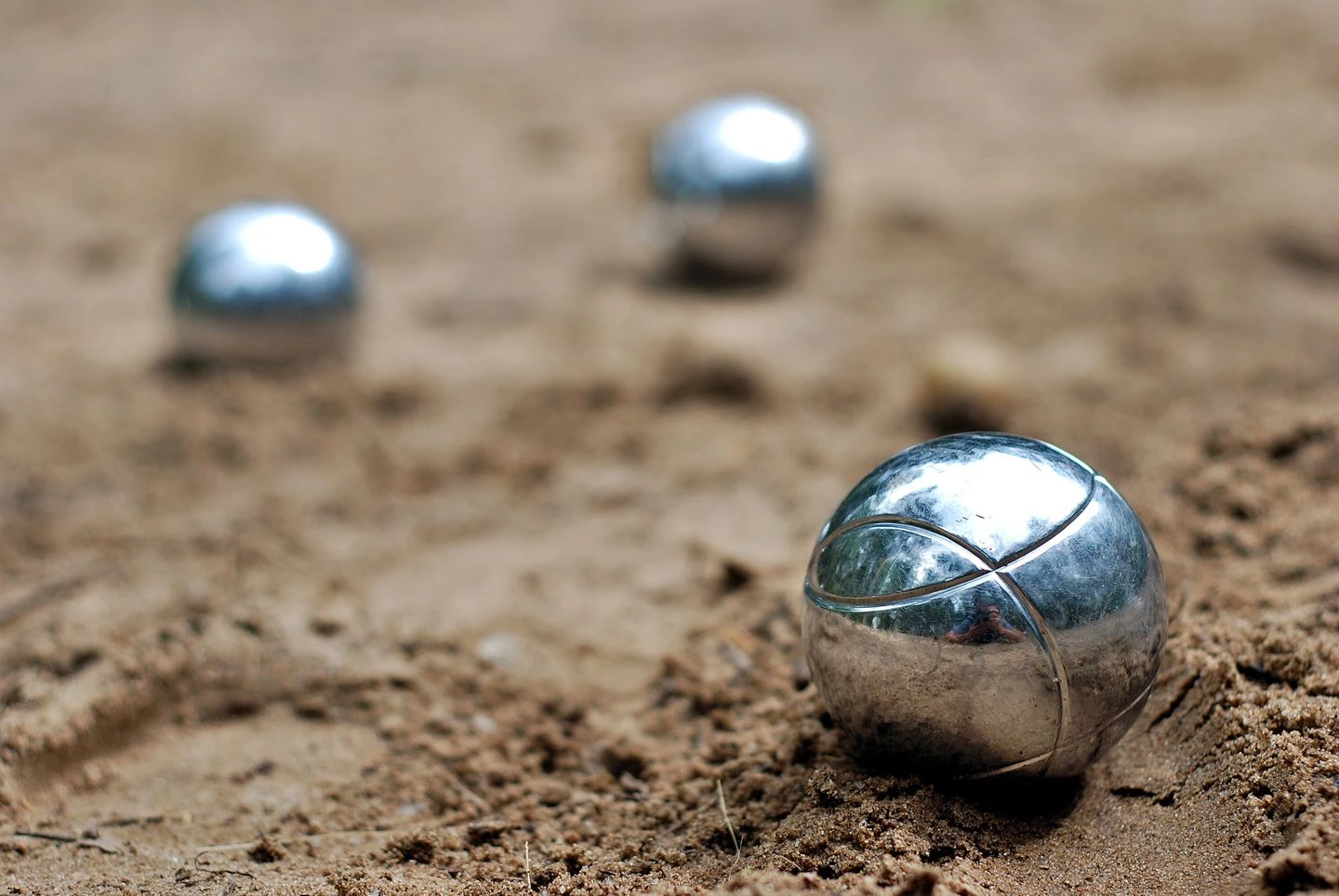
Metal pétanque boules on sand; this photo does not depict the scoring example. Pixabay via Pexels.
Your opponent has a boule close to the little target. You do not need a spectacular throw. You need a slightly better one. Then another ball lands, the arrangement changes, and everyone leans in to see who is closer. That small moment is a good introduction to pétanque.
The appeal is easy to miss if you only see metal balls on gravel: each throw leaves a new problem for the next player. Here is a beginner’s guide built around the two questions that often cause confusion: who throws next, and how many points does the winner of a round actually get? This is an introduction, not a complete competition rulebook.
Meet the boules and the little target
The large metal balls are boules; the small target is the jack, also called the cochonnet. Singles and doubles use three boules per player; triples use two. Those basic formats are set out in FPUSA’s illustrated introduction.
For a first visit, borrowing equipment at a club or introductory session is more useful than buying a set you have never held. Ask someone to identify which markings belong to each side before starting. A beautiful throw is not much help if nobody can remember whose ball it was.
Choose a place before choosing a shot
Use a permitted playing area with clear space around it, not a crowded pavement, road, or balcony. Metal boules are heavy: keep spectators, children, pets, and feet out of the throwing and landing area. Wait until everyone is clear before each throw; never throw toward someone collecting balls.
For standard adult play, the jack’s starting distance is 6–10 metres from the inside edge of the circle. Feet stay fully inside it and on the ground until the thrown boule lands. The official rules supplied by the European confederation contain the precise conditions and exceptions. Shorter introductory exercises should be labeled practice, not regulation play.
It is not simply “your turn, my turn”
After the opening boule and the opponent’s response, the team without the closest boule keeps playing until it takes the point or runs out of boules. When all boules have been used, the end is scored. The usual target is 13 points; see Pétanque England’s beginner guide.
Imagine A is closest. B tries twice and is still farther away. It is not automatically A’s turn just because B has thrown twice. Ask “who currently has the closest boule?” rather than counting alternating turns. If the leading position changes, pause and identify the new leader before continuing.
A scoring example that makes the rule click
Only one team scores in an ordinary completed end: it receives one point for each boule closer to the jack than the other team’s nearest. Here is an invented singles example, with all six boules played, all valid, and no tie. The numbers are hypothetical gaps between the jack and the boules, not measurements from the cover photo.
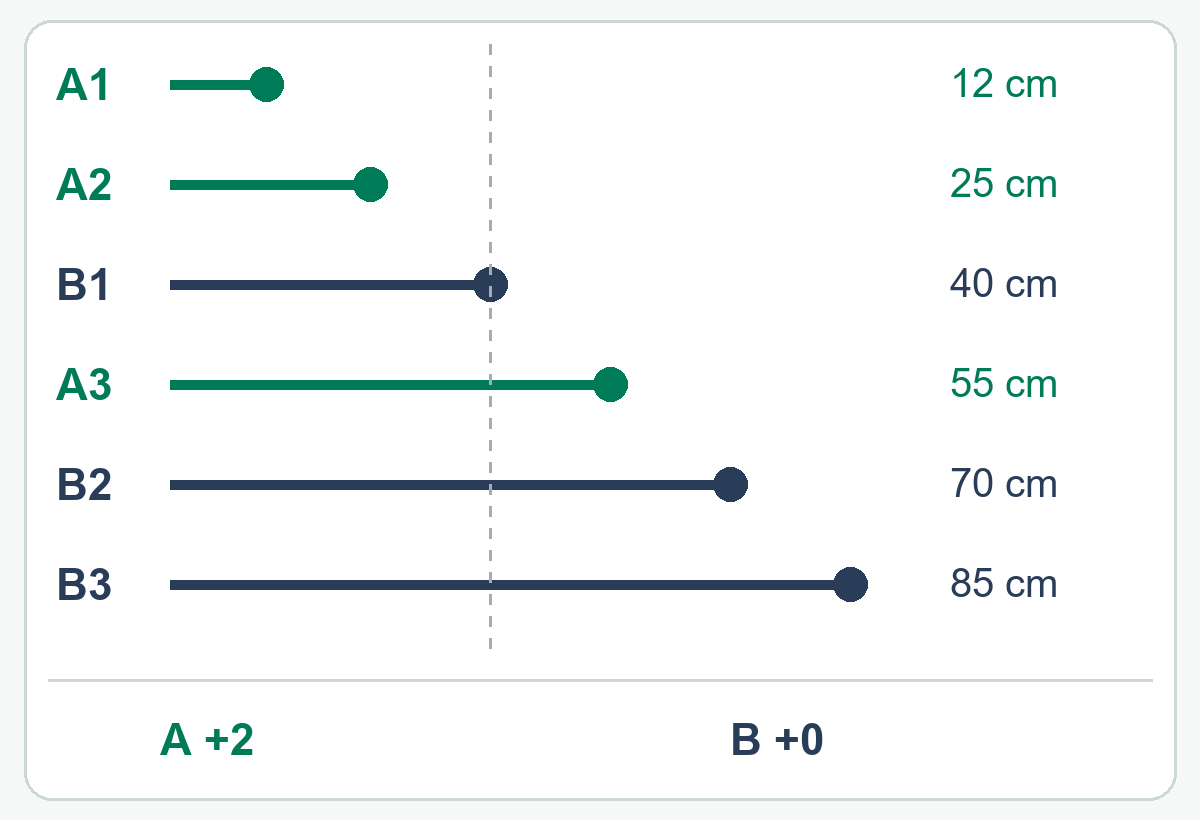
- A has boules at 12, 25, and 55 cm.
- B has boules at 40, 70, and 85 cm.
- A’s 12 and 25 beat B’s nearest, 40. A’s 55 does not.
- The result for this end is A +2, B +0—not three points for A and not points for both sides.
Now change just one number: move B’s 40 cm boule to 20 cm. A still owns the nearest boule at 12, but only that one is closer than B’s best. The end becomes A +1. This is why a throw that does not take the lead can still matter.
Measure before anyone tidies up
In a close decision, ask for a suitable measuring tool and help from an experienced player. Do not kick, lift, or nudge the balls to make room for a guess. The official rules prohibit using feet to measure, and picking up boules before agreement can affect the score. Equal-distance cases have their own rules; they are not covered by the simple example above.
For a friendly first session, agree on a habit: stop, confirm the nearest boule, agree the points, then collect. It removes the avoidable argument where someone clears the evidence while another person is still counting.
The interesting choice: get closer or move a rival?
Placing a boule near the jack is called pointing; trying to knock an opposing boule away is shooting. Both are part of the game, as the FPUSA guide explains. A beginner does not have to attempt the most dramatic shot to enjoy the decision.
Try this thought experiment before your next turn: “What am I trying to change?” Perhaps you want the nearest position. Perhaps you want another scoring boule. Or perhaps the real priority is learning how this patch of ground behaves. Naming one intention is more useful than throwing hard and hoping the outcome looks impressive.
A first session with a purpose
Here is a suggested practice plan, not a tested coaching programme or an official match format. With a clear, permitted area and suitable supervision, begin by identifying the equipment and the safe throwing direction. Make a few gentle practice throws without scoring. Then play one end, stopping to say who holds the point after each throw.
Finish by counting together and changing one imaginary distance, as in our chart. Use a tiny note: My intention: __. Where it finished: __. What I will change next time: __. There is no need to turn the first afternoon into a tournament or promise a particular improvement.
Leave with one better question
Instead of “am I naturally good at this?”, ask “did I understand why that end scored two?” That is a concrete thing to learn, and it makes watching the next game more interesting. If you like sports with a puzzle inside them, explore bouldering for beginners, or try our guide to enjoying a first game of badminton.
Sources and image: the linked federation and confederation guides support the rules summarized here; use the organiser’s current full rules for competition, including boundary, dead-jack, and tie situations. The cover photograph is Pixabay via Pexels, used under the Pexels License. It was proportionally resized and converted to WebP. The chart is original explanatory artwork, not an official federation diagram.
The cover photo is licensed through Pexels. The original code-drawn distance chart uses hypothetical values and is neither a match photograph nor a court map. No AI images are used. The suggested practice session was not performed or measured by us.


What do you think?
Share your thoughts or experience. Keep the conversation kind and on topic.
Participation Rules
نريدك أن تكون مصدرًا لزملائك من القراء ونأمل أن تستخدم قسم التعليقات لإجراء ذلك. لقد صممناها لرفع وتوسيع الاستجابات الأكثر ذكاءً وإدانةً ، وتقليل أو إخفاء الأسوأ. هذه هي قواعد الطريق:
ابقى في صلب الموضوع
عند تقديم تعليق ، لا تخرج عن الموضوع. لا تعلق على المعلقين الآخرين أو معتقداتهم السياسية المفترضة. ناقش مزايا القصة نفسها. لا تنشر تومي. هذا ليس المكان المناسب لصق فصل من رسالتك (أو أي شخص آخر) أو ورقة بيضاء.
أظهر الإحترام.
نحن نشجع ونقدر النقاش العميق. ما عليك سوى التأكد من أنه عندما لا تتفق مع فرضية القصة أو أي معلق آخر ، فإنك تفعل ذلك بطريقة محترمة ومهذبة.
كن مهذبا وحافظ على نظافته
نحن نغطي التكنولوجيات الجديدة موقعنا ليس منفذاً للفظاظة. نحن لا نتسامح مع الإهانات الشخصية ، بما في ذلك استدعاء الأسماء أو العنصرية أو التمييز الجنسي أو الكلام الذي يحض على الكراهية أو الفحش. هذا يعني أنه لا توجد أي ملاحظات بذيئة أو مسيئة أو مضايقة أو تنمر. إذا لم تكن مدنيًا ومهذبًا ، فلا تنشره.
تجاهل المتصيدون
أفضل رد على القزم - شخص ما يتكرر عدائيًا واستفزازًا - ليس ردًا. من فضلك لا تشجع السلوك السيئ عن طريق الاستجابة ؛ انها لا تخدم سوى لسرور المتصيدون والبيض عليها. إذا كان هناك شخص ما يسيء استخدام موضوع مناقشة ، فأبلغ عن أي تعليقات مسيئة ، وسنتناول الموقف.
كن مسؤولاً وأصيلاً
انشر آرائك فقط بكلماتك الخاصة. أنت مسؤول عن المحتوى الذي تنشره.
لا تنشر رسائل غير مرغوب فيها أو إعلانات
إذا لم يكن لديك عقد إعلان معنا ، فإن هذا الموقع الإلكتروني ليس عبارة عن لوحة إعلانات لنشاطك التجاري. لا تنشر محتوى غير مرغوب فيه أو محتوى ترويجي ذاتي أو حملات إعلانية. لا ضغط أو تجنيد أو استجداء.
نقرأ التعليقات
على الرغم من أن مجالس مناقشاتنا لا تخضع للإشراف الرسمي ، إلا أننا نولي اهتمامًا وثيقًا بها. نحتفظ بالحق في تعديل أو حذف التعليقات التي لا تلبي معاييرنا.
نحن نحظر الأعضاء الفاضحين
إنه ليس شيئًا نتمتع به. ولكن عند الضرورة ، سنحظر الأعضاء الذين لا يلتزمون بهذه الإرشادات.
شكرا على اتباع هذه المبادئ التوجيهية.